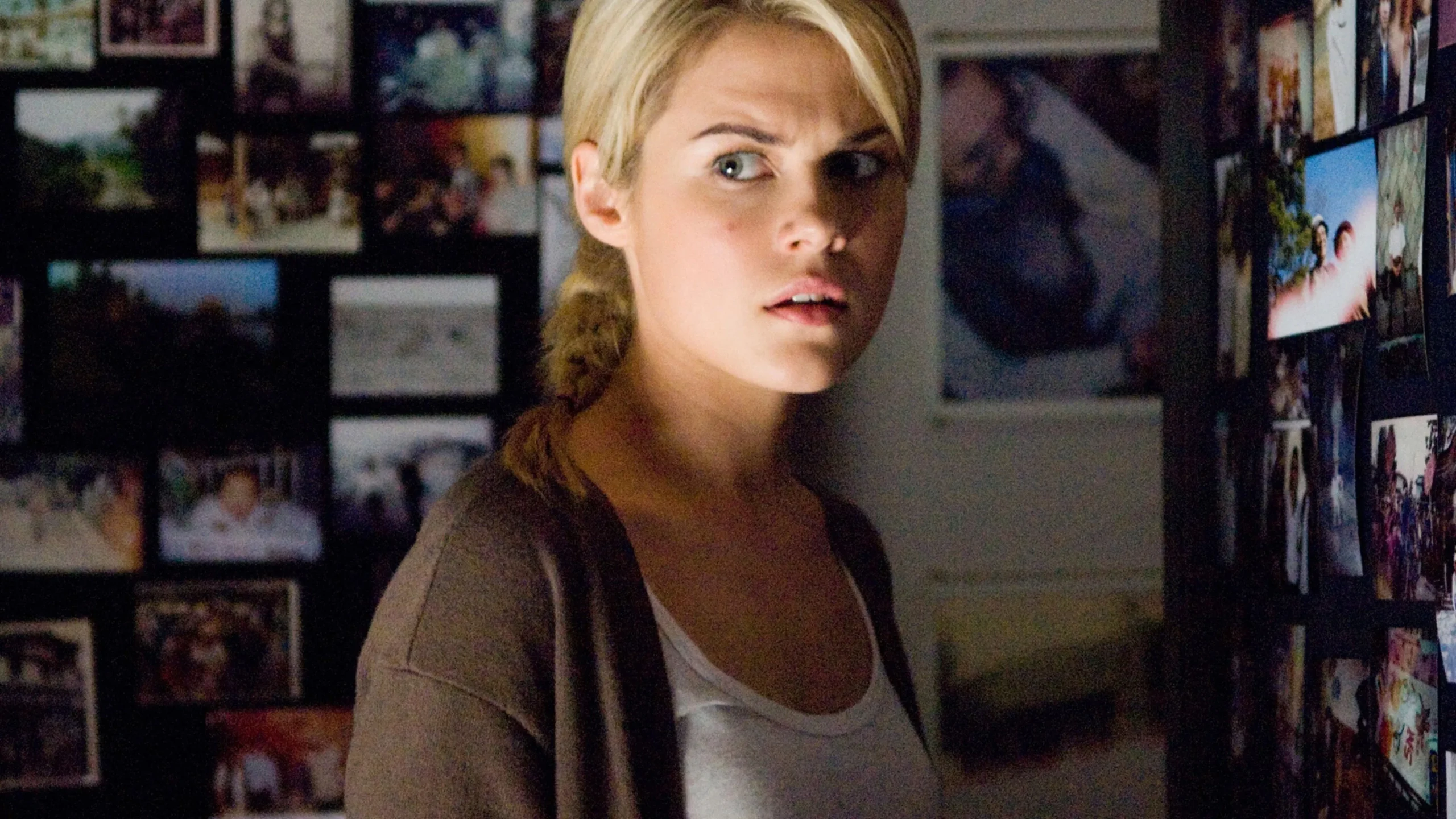

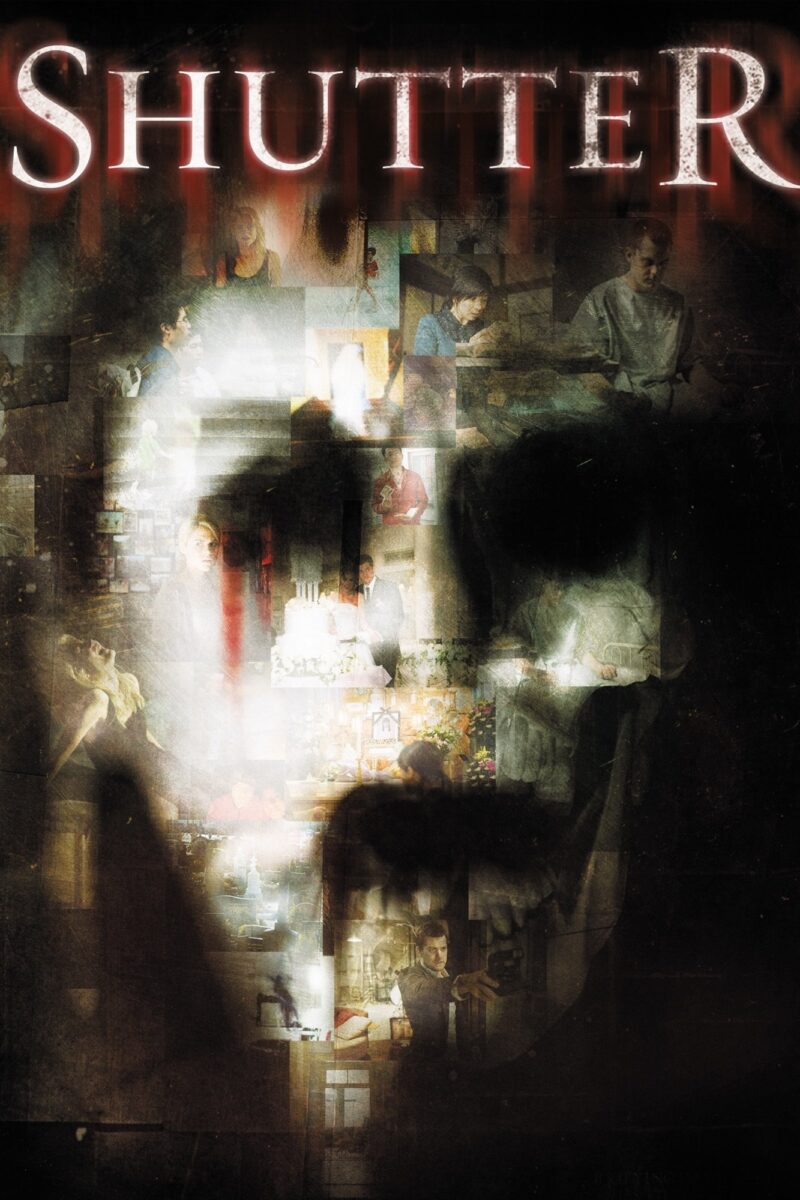
Shutter arrived in 2008 when Hollywood was still enthusiastically remaking Asian ghost stories, usually with colder colour grading, recognisable American actors and enough pale figures appearing in reflections to make owning a mirror seem irresponsible. This one remakes the 2004 Thai film and moves much of the action to Japan. Joshua Jackson plays photographer Ben, newly married to Jane, played by Rachael Taylor. Their honeymoon barely gets going before a night-time drive ends with them apparently hitting a woman in the road. They stop. Nobody is there.
That would be unsettling enough, but Ben is a photographer and his images soon begin developing things that were not present when he pressed the shutter. Strange shapes, pale smudges and figures start appearing in photographs, while Jane becomes increasingly convinced that whatever happened on the road has followed them.
The first stretch works well because the photographs give the haunting something physical. A ghost in a dark corridor is familiar territory. Finding one standing quietly in a picture you already took is much nastier. You start looking at the background rather than the subject, which is exactly where Shutter wants your attention.
The film does lose pace as it goes. The mystery is strong enough, but the middle section circles the same unease for too long. There are points where Shutter needs either to push forward or sit completely still and let the atmosphere do the work. Instead it sometimes hangs somewhere between the two. Still, Megumi gives the story a reason to keep watching.
Played by Megumi Okina, she is not simply another long-haired ghost placed in the frame because somebody has seen The Ring. As her connection to Ben becomes clearer, the haunting starts looking less random. Megumi has a reason to be there, and that reason makes Ben progressively harder to sympathise with.
SPOILER: the truth surrounding his treatment of her and his part in what happened changes the balance of the story completely. Ben has spent much of the film behaving like the unfortunate sceptic caught in somebody else’s haunting. He isn’t.
That is where Shutter becomes nastier than its fairly conventional surface suggests. The supernatural threat may be frightening, but the behaviour that created it is entirely human. Megumi’s revenge does not need an elaborate justification once the film has shown us what she is avenging. Joshua Jackson handles that shift well. He begins with enough familiar, slightly boyish charm that we are inclined to trust him, then the film starts taking pieces away. By the final stretch, Ben looks considerably less like the man Jane thought she married. SPOILER: the ending remains the image Shutter gets most right. The explanation for Ben’s neck pain, followed by the photograph revealing exactly where Megumi has been, is simple and horrible. Once you have seen it, complaining about a stiff neck briefly becomes a much less casual activity.
David Denman also turns up, which means anyone familiar with The Office gets the unexpected sight of Roy wandering around a Japanese supernatural horror film. His character Adam is connected to Ben’s photography circle and, unfortunately for him, also connected to the events surrounding Megumi.
That familiarity actually makes his appearance more enjoyable. Denman looks like somebody who should be worrying about Jim Halpert rather than an angry spirit, but Shutter gives him much bigger problems than Dunder Mifflin ever managed.
SPOILER: Megumi is not especially interested in workplace mediation.
Rachael Taylor has the less flashy role as Jane but provides the point of view the film needs. She is discovering both the supernatural problem and unpleasant information about her husband at roughly the same time. Her change from supportive newlywed to somebody actively trying to understand what is happening gives Shutter its most straightforward human thread.
Masayuki Ochiai keeps the visuals in familiar mid-2000s horror territory. There are dark interiors, cool colours, reflections and plenty of empty spaces where your eyes start searching for movement. Fortunately he does not turn Megumi into an effects demonstration. Some of the better scares are simply shapes and figures being somewhere they should not be.
The photography gimmick also suits the period beautifully. Shutter comes from that slightly awkward crossover where cameras and images were becoming increasingly digital but photographs could still feel like objects carrying evidence. The idea of something appearing in an image after the moment has passed remains creepy because the photograph is supposed to be proof of what was there.
Shutter asks what happens when the proof shows something else.
The remake never escapes comparison with the wave of Asian horror adaptations around it. The Ring and The Grudge left considerably larger footprints, and Shutter lacks the confidence to become another defining film from that cycle. Its pacing sags, some scares are predictable and there are moments when you can almost see the checklist of J-horror ingredients being unpacked. But it is not a disaster either.
Megumi’s story gives the haunting a proper reason to exist, Jackson becomes increasingly effective as Ben’s past catches up with him, and the final image earns its place among the better supernatural-horror reveals of that period. There is also enough atmosphere here for the film to work particularly well as an easy Halloween-season watch.
That is probably where Shutter belongs now. Not forgotten because it is terrible, and not remembered alongside the giants because it never quite gets there. It sits somewhere in the middle, waiting on the shelf with a creepy photograph and one genuinely horrible explanation for persistent shoulder pain.
Imperfect, occasionally slow, but there is enough lurking in the background to make another look worthwhile. Six out of ten still feels right.