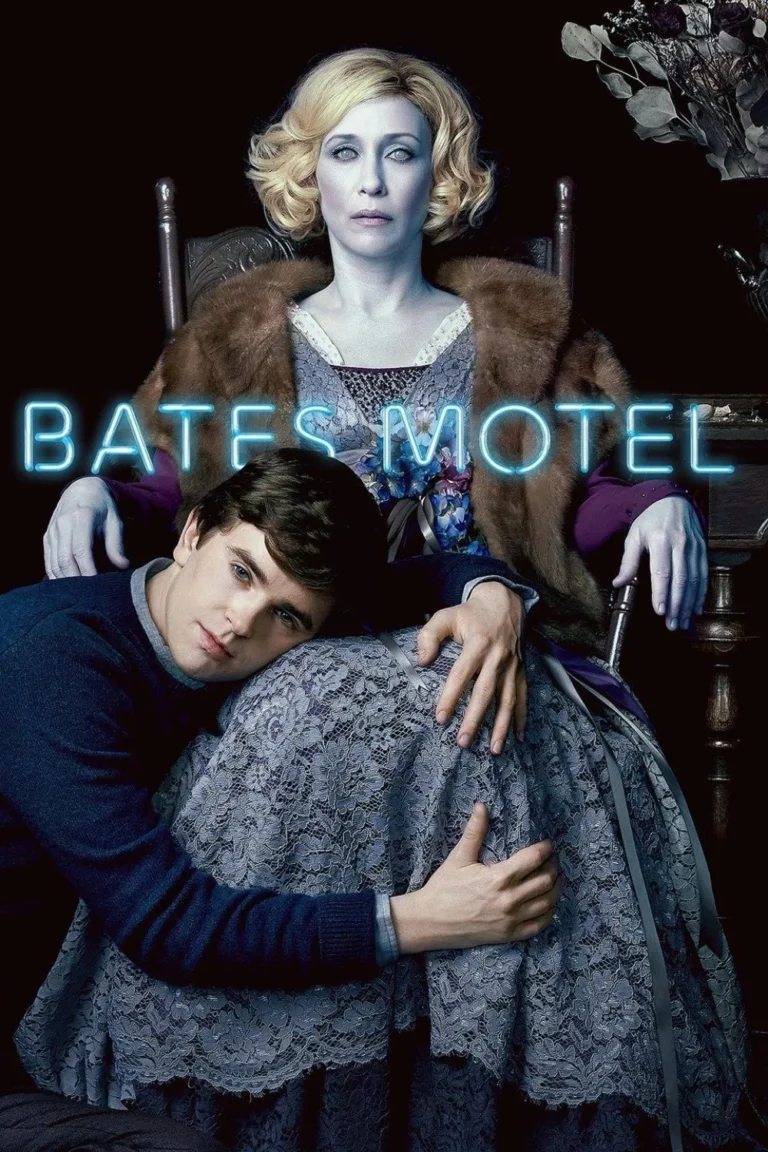

Making a television prequel to Psycho sounds like an excellent way to upset a lot of horror fans. Norman Bates already came with one of cinema’s most famous houses, one of its most famous mothers and a shower scene that has been picked apart for decades. Bates Motel somehow takes all of that baggage, moves the story into the present day and finds enough unexplored territory for five seasons.
The smartest decision is that the series never behaves like it is waiting to catch up with Alfred Hitchcock’s film. This is its own version of Norman and Norma Bates, using familiar pieces rather than simply colouring in the years before Marion Crane arrived.
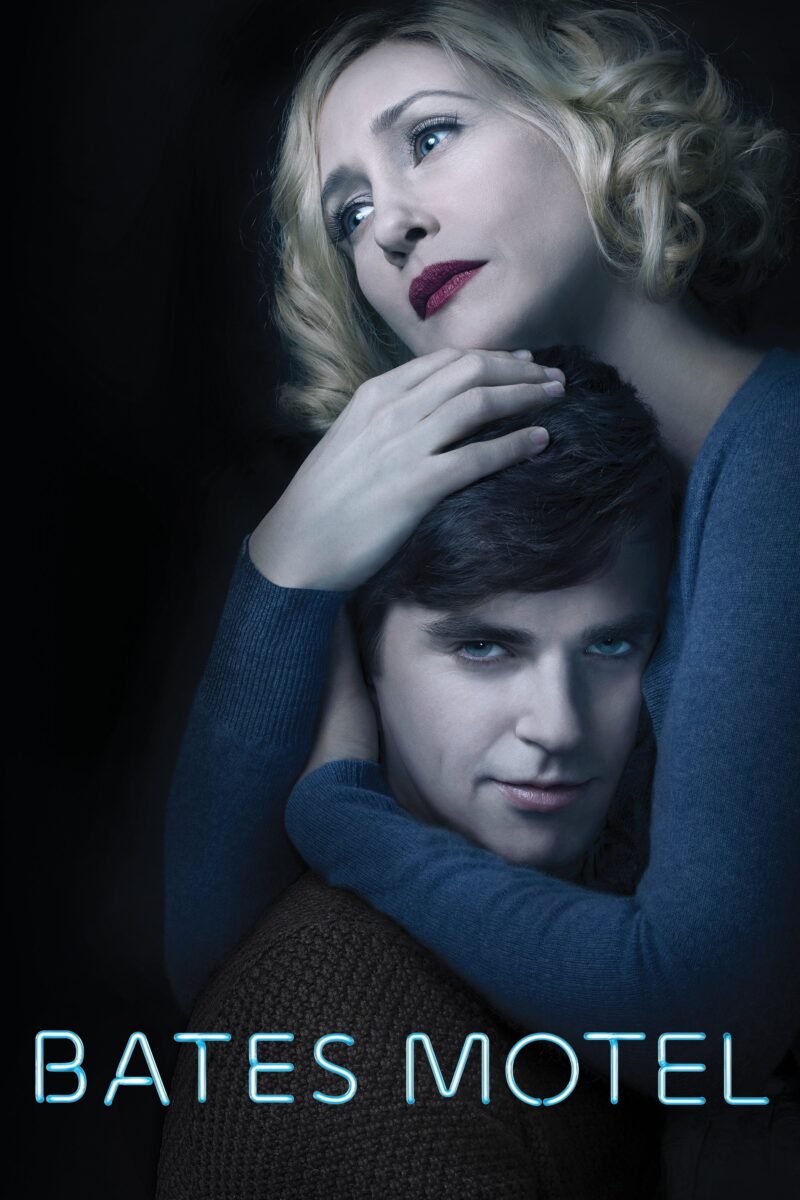
Vera Farmiga’s Norma is the first major reason it works. She can be affectionate, controlling, funny, frightening and completely unreasonable within the same conversation, sometimes without Norma herself seeming to notice the transition. The relationship with her son is unhealthy from the start, but Farmiga makes it easy to understand why Norman clings to her. She really does love him. Unfortunately, Norma’s idea of protecting somebody often involves gripping them so tightly that they cannot breathe.
Freddie Highmore has the harder journey because everybody watching already knows roughly where Norman Bates is heading. The trick is making us care about the route.
His Norman begins as awkward and vulnerable rather than obviously dangerous. The changes come in small pieces: missing time, altered behaviour, flashes of anger and that peculiar blankness when something inside him seems to switch places. Highmore does not spend five seasons doing an Anthony Perkins impression. By the time Mother becomes a dominant presence, this Norman feels like the end result of the character we have actually been watching.
SPOILER: Pine View is particularly effective because the series briefly offers Norman something approaching a chance. Treatment gives him enough clarity to understand that something is badly wrong, which is far more uncomfortable than simply watching him descend without noticing. For a while you can see the life he might have had. Bates Motel knows exactly how temporary that feeling is.
The Bates family is bigger than Norman and Norma
Max Thieriot’s Dylan is essential because he gives us another way into the family. He loves them, resents them and frequently seems to be the only person in the room aware that none of this is normal. Olivia Cooke’s Emma initially sits further outside the madness and occasionally gets saddled with the job of explaining things, but her sincerity makes the character work. Her relationship with Dylan also gives the later seasons somewhere warmer to go when life at the motel becomes increasingly grim.
Nestor Carbonell’s Romero becomes one of our favourite additions because his morality keeps shifting according to the people around him. He begins as the local sheriff who appears to understand rather more about the town than he says. His connection to Norma then pulls him deeper into Bates family territory until law enforcement and personal loyalty are barely on speaking terms.
Kenny Johnson has an even tougher job as Caleb. The material around him is deliberately uncomfortable, and Bates Motel never allows the audience the luxury of filing him neatly under good or evil. Ryan Hurst’s Chick is easier to enjoy. He wanders into scenes with the energy of a man who has somehow discovered that he is living inside a very strange television series and decided to stay for the entertainment. His comment about events potentially making a decent screenplay is exactly the sort of wink that should be irritating, yet somehow Chick gets away with it.
The town surrounding the Bates family could probably have supported more stories of its own. There is corruption, drugs, violence and enough suspicious behaviour to suggest that White Pine Bay’s tourism board has some serious work to do. Some of those threads are stronger than others, but the wider setting helps stop the motel from feeling like a museum piece built solely for Psycho references.
The house itself is different. That absolutely should feel familiar.
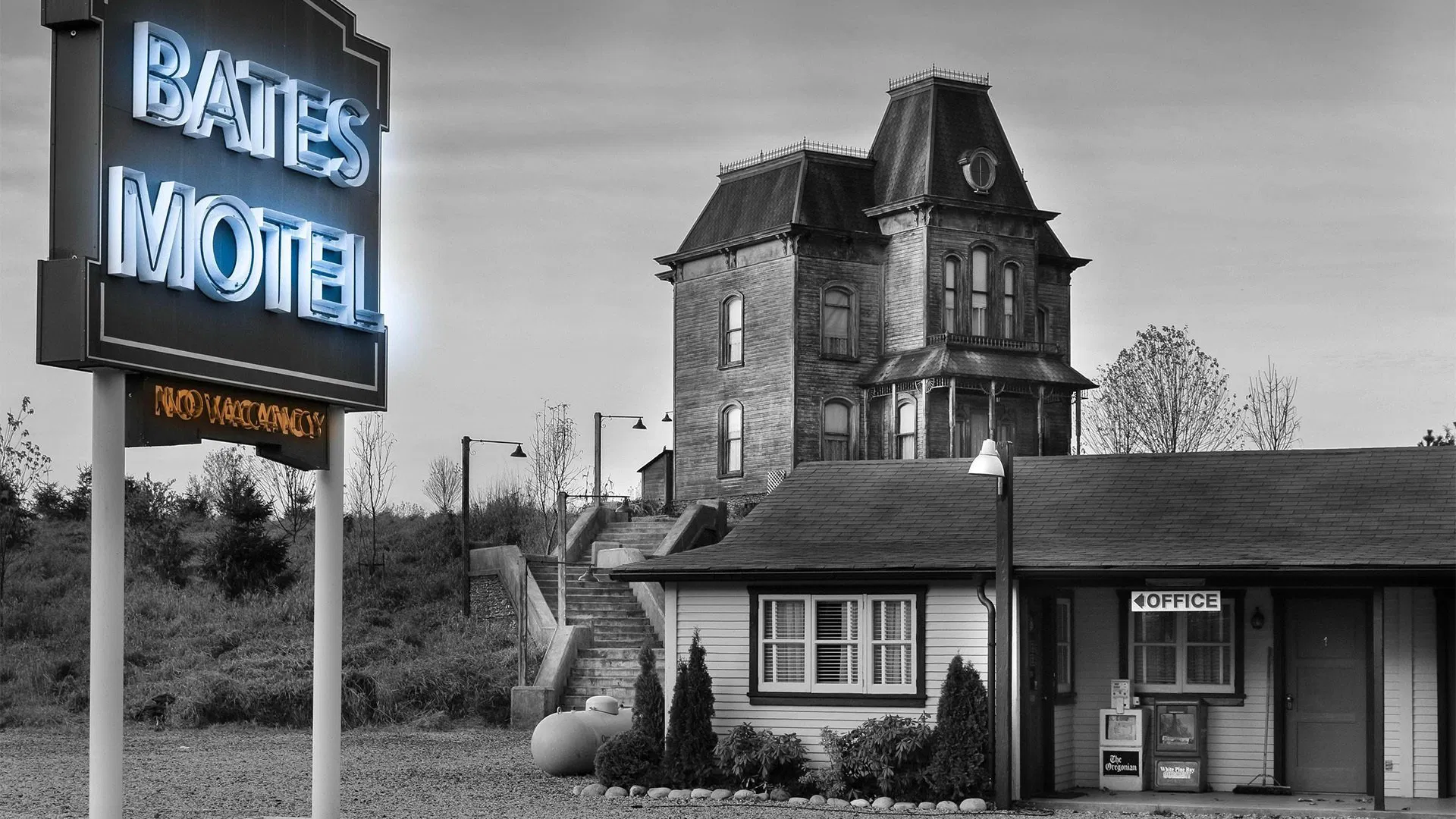
Reconstructing the Bates house and motel could easily have become fan-service scenery, but the production lets both locations change with the characters. The motel begins as Norma’s attempt at a new life. Gradually it becomes somewhere increasingly difficult to separate from Norman’s deterioration. The house above it is always watching. You do not need a ghost in the window. We already know what belongs up there.
The series eventually has to confront Psycho directly, and SPOILER: bringing Marion Crane into the story could have been where the whole experiment collapsed. Instead, Bates Motel changes the expected outcome. It knows the audience is waiting for a specific sequence and uses that knowledge against us.
That is much more interesting than the approach taken by Gus Van Sant’s 1998 Psycho remake, which demonstrated how strangely lifeless material can become when reverence turns into replication. Bates Motel respects Hitchcock by being willing to move things around.
SPOILER: Norma’s death is where the final stretch really tightens. We know Norman and Mother must eventually become inseparable, but seeing how it happens gives the familiar Psycho setup a different sadness. The eventual confrontation between Norman and Dylan works because Dylan has spent years trying to get away while never quite managing to stop caring.
There are moments when Bates Motel wanders too far into the criminal life of White Pine Bay, and not every subplot deserves the time it receives. But Farmiga and Highmore keep dragging the focus back to the relationship that matters.
That is why the show survives comparison with Psycho. It does not replace Hitchcock’s film and never needs to. It takes two characters we thought we already understood and spends five seasons making their relationship considerably messier. A very solid 7/10 from us. Checking into the Bates Motel still looks like an absolutely terrible idea!!