
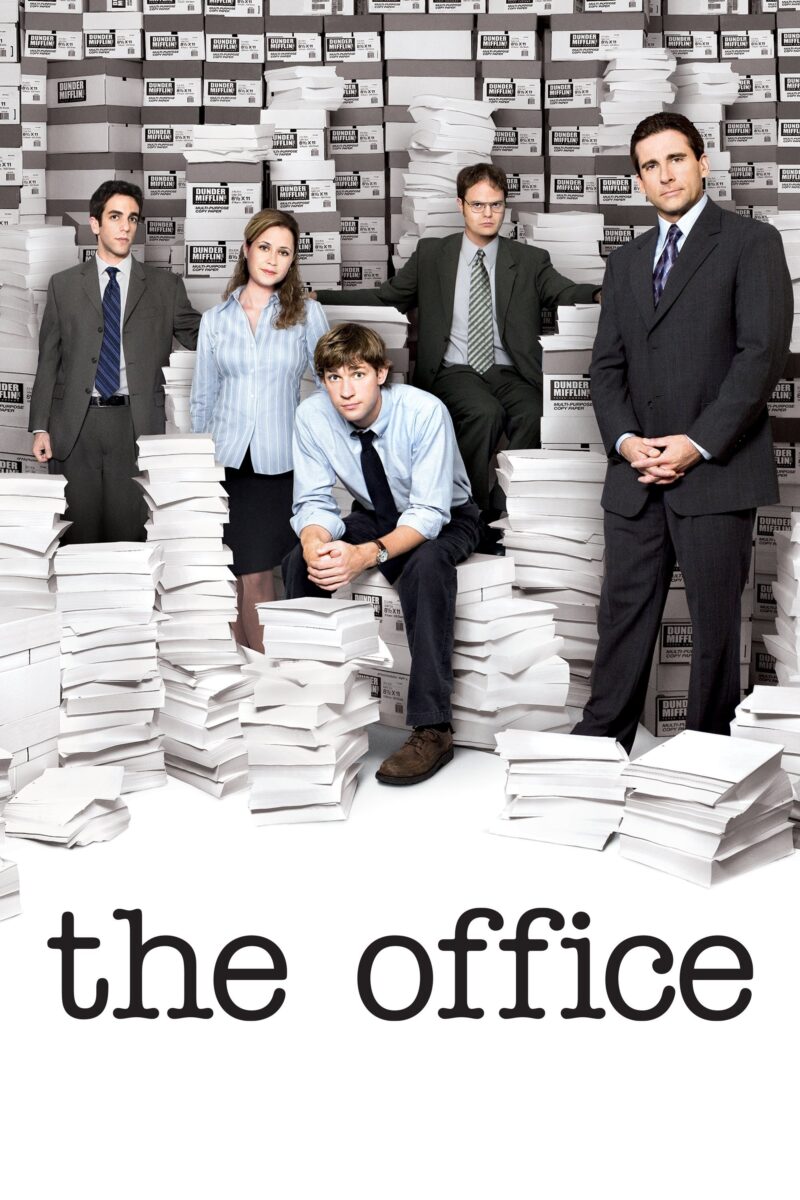
American remakes of British comedies have a habit of arriving with the same question hanging over them: why? The Office had an especially difficult job because Ricky Gervais and Stephen Merchant’s original was so tied to its place, its awkward silences and David Brent’s spectacular ability to make a room uncomfortable.
The US version initially looks as though it might simply photocopy Slough and change the paper size. Then it starts becoming its own thing.
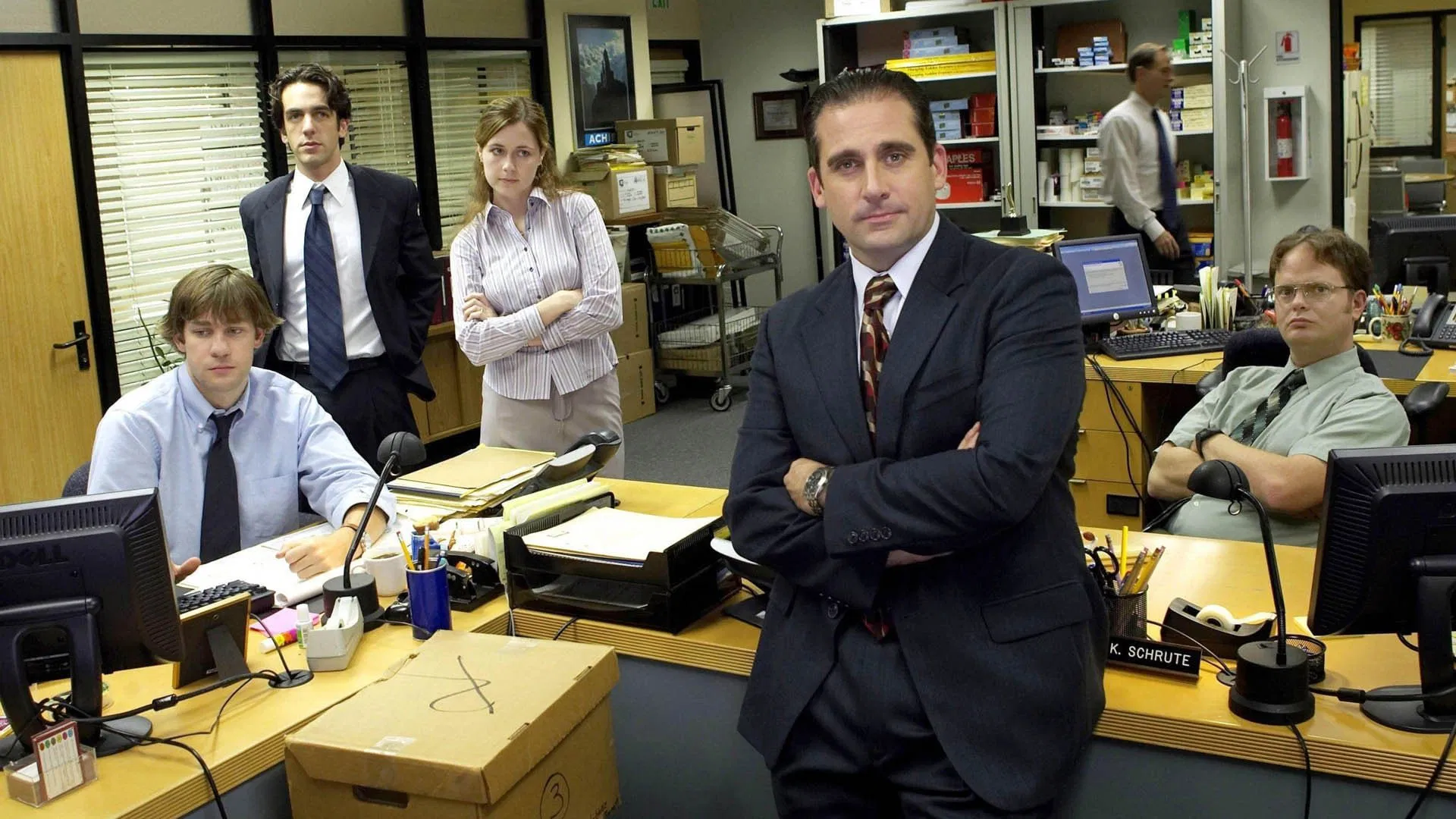
Moving the workplace to Scranton, Pennsylvania, and allowing the series to run far beyond the lifespan of the UK original gives Dunder Mifflin time to turn from a joke about office misery into somewhere weirdly familiar. You know the desks. You know who will cause trouble in a meeting. You know which birthday party is going to become an argument. Eventually the place feels less like a set and more like an office you once worked in but thankfully cannot be asked to cover a shift at.
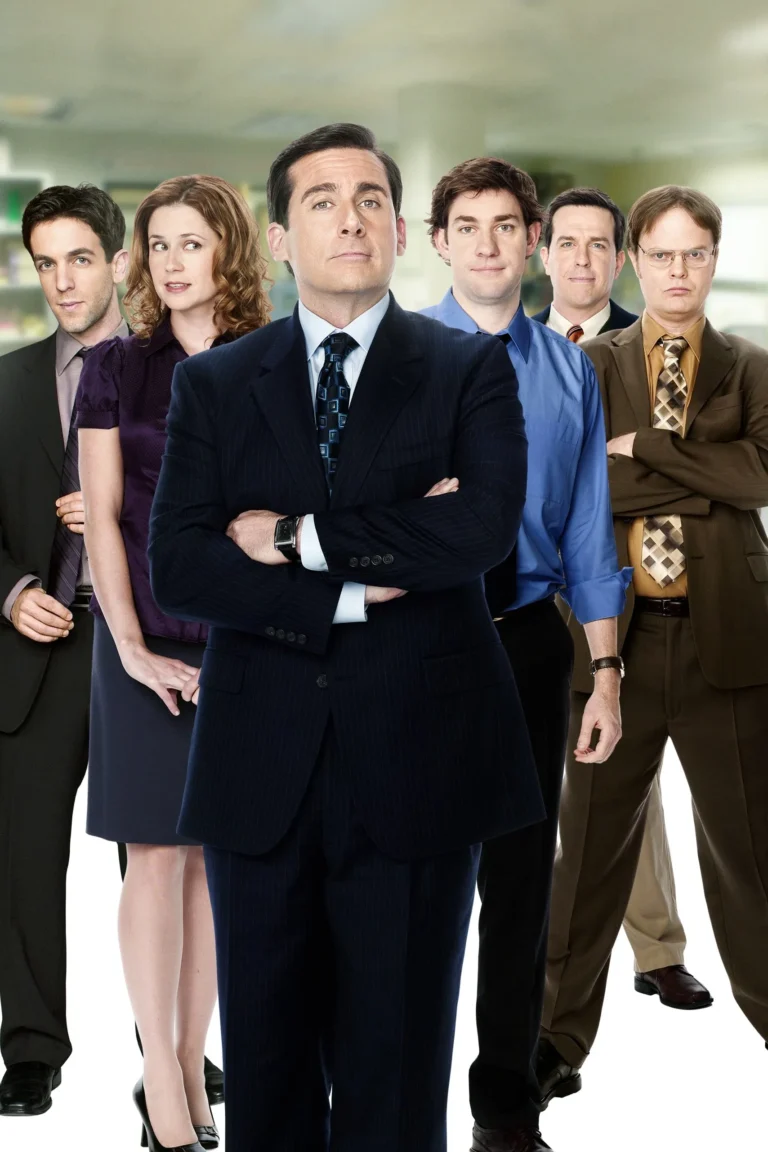
Steve Carell is the reason that transition works. Early Michael Scott is painfully close to David Brent, desperate for approval and incapable of recognising when everyone else wants the conversation to end. The writers gradually soften him without making him competent. Michael still says the wrong thing, misunderstands basic social cues and turns routine management into an event, but Carell finds enough genuine need underneath it that we start rooting for him. He wants his employees to be a family. The employees mostly want health insurance and to go home on time.
Rainn Wilson’s Dwight Schrute needs no softening at all. Beet farmer, volunteer sheriff’s deputy, martial-arts enthusiast and Assistant to the Regional Manager, Dwight behaves as though Dunder Mifflin is one security breach away from becoming a military installation. Wilson commits so completely that even the stupidest ideas become perfectly logical inside Dwight’s head.
Recyclops remains one of our favourite examples. What starts as an Earth Day character mutates over the years into a furious post-apocalyptic eco-warrior because Dwight cannot simply participate in an office tradition. He has to build lore. Jim’s camera glances….. John Krasinski can get a laugh without saying anything because the documentary camera becomes the one colleague who understands exactly what he is thinking. Jenna Fischer’s Pam is quieter, but that makes the relationship work. Their looks across the office are funny long before the romance takes over, and the early seasons understand how much mileage can be pulled from two people communicating while somebody else is being ridiculous three desks away.
Creed operates under completely different laws. He appears to have had several lives before arriving at Dunder Mifflin, some possibly criminal, and the show sensibly refuses to explain most of them. A Creed line can arrive from nowhere, suggest something extremely worrying about his past and then disappear before anybody asks a sensible follow-up question.
Dunder Mifflin is full of people we somehow know
That wider office is what gives the American version room to outgrow the remake label. Kevin, Angela, Oscar, Phyllis, Stanley, Meredith, Kelly, Ryan and Toby are not simply background employees waiting for Michael to finish the scene. Over time they collect habits, grudges, relationships and increasingly specific forms of workplace damage.
B.J. Novak, Mindy Kaling and Paul Lieberstein were also part of the writing and production team, which probably helps explain why even relatively small characters can suddenly become central to an episode without feeling imported from another programme. Ed Helms’ Andy arrives later with Cornell, a cappella and enough insecurity to power a small branch office by itself.
The best episodes exploit the fact that these people know far too much about one another. Dinner Party is still horribly funny because Michael and Jan invite colleagues into a domestic situation that becomes more alarming with every minute. The tiny plasma television is funny on sight. Michael proudly explaining it somehow makes it worse.
Threat Level Midnight is another perfect Michael Scott artefact. SPOILER: discovering that he has been making his own action film, complete with Michael Scarn, Goldenface and unwilling Dunder Mifflin performers, tells us more about Michael than another serious character speech ever could. Of course he made a movie. Of course everyone from work is in it. Of course it took years.
The series does lose something when Carell leaves. There is no point pretending otherwise. The later seasons still have good episodes and characters worth watching, but Michael created a particular kind of chaos that is difficult to replace because he could be the problem, the joke and occasionally the emotional centre of the same story.
James Spader’s Robert California is at least a wonderfully strange attempt to avoid replacing him with another Michael. Spader enters Dunder Mifflin as though he has accidentally taken control of the company while on his way to interrogate somebody.
We still refuse to accept that Robert California and Raymond ‘Red’ Reddington from The Blacklist are different people. The power games, the strange monologues, the unnerving calm: it is Red lying low in Scranton before The Blacklist begins. Somewhere in those Sabre fax machines is the first version of his intelligence network. We will hear no further arguments.
Ricky Gervais appearing as David Brent is another nice acknowledgement of where the programme came from. Seeing Brent and Michael briefly occupy the same world works because the American show no longer needs to prove that it is different. By then, Scranton has its own language.
The mockumentary format helps. Talking heads, abrupt zooms and glances towards the camera are so common in comedy now that it is easy to forget how central they were to The Office’s rhythm. The camera is not merely recording jokes. Characters use it, hide from it, perform for it and occasionally realise too late that it has seen something.
There are weaker seasons, romances that run too long and later storylines we could happily leave in the filing cabinet. A nine-season American sitcom was never going to maintain the precision of the much shorter British original.
But that extra time is also why we care about Scranton differently. The Office becomes comfort television because returning to it means returning to a workplace where we already know which desk belongs to whom, what Dwight is probably storing under his and why Jim is looking at the camera again.
A yearly binge still makes perfect sense. The Office (US) began as a risky adaptation and ended up building a separate identity strong enough that arguing over which version is ‘the real one’ feels fairly pointless. One is Slough. One is Scranton. We are keeping both.