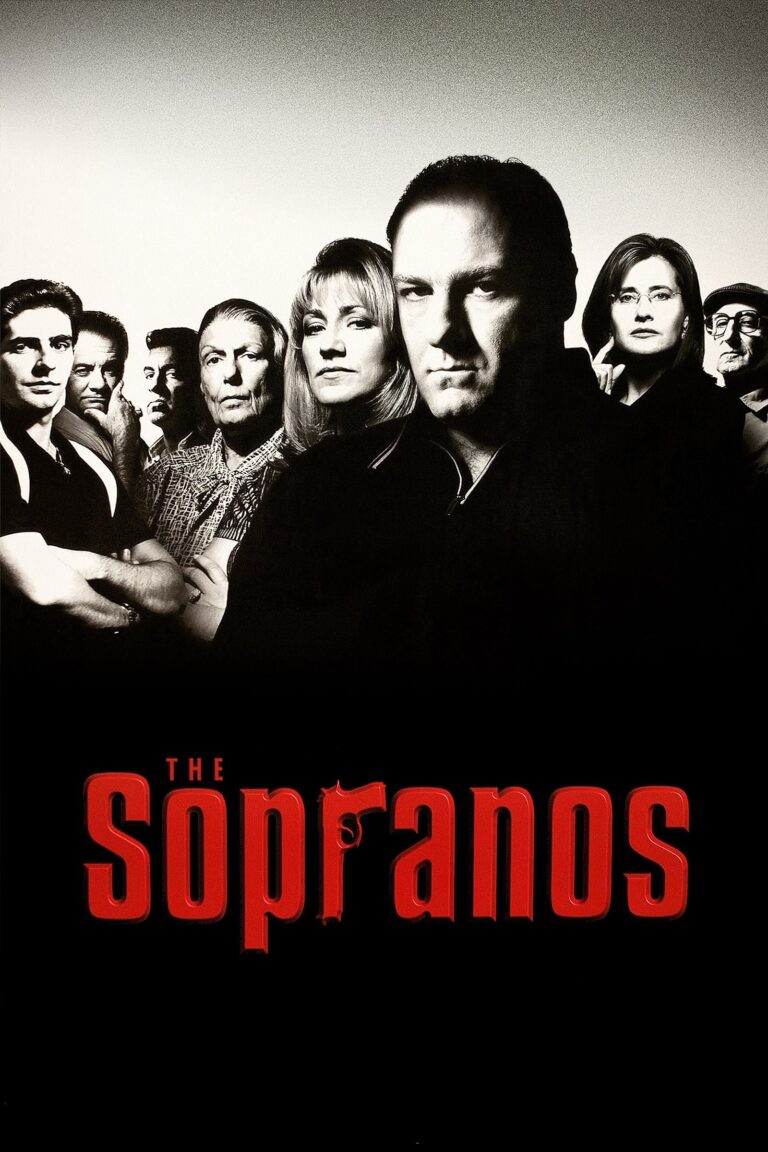
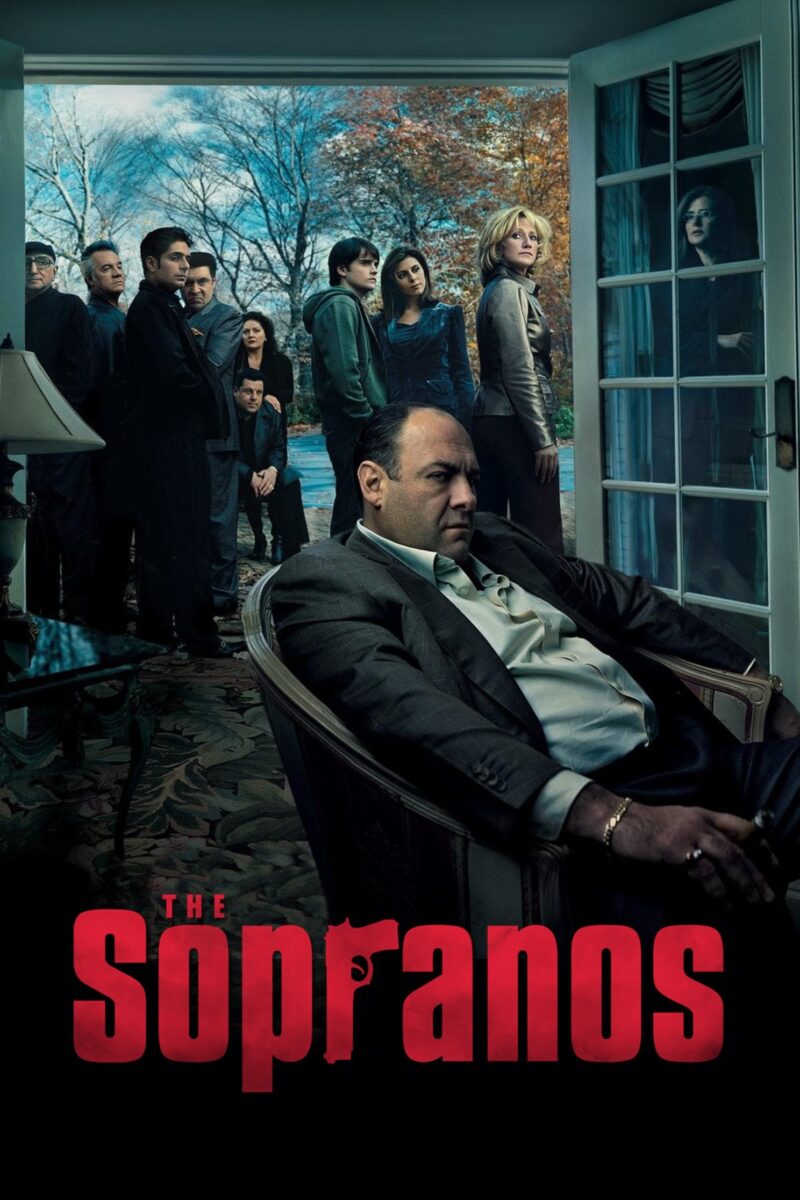
When people say The Sopranos changed TV forever, they’re not wrong — and it wasn’t just because Tony Soprano could order a hit in one breath and spill his childhood trauma to his therapist in the next. David Chase’s masterpiece feels so authentic partly because it’s steeped in the real New Jersey — not some soundstage stand-in, but the diners, pork stores, back roads, industrial lots and suburban cul-de-sacs where local wiseguys actually lurked. Satriale’s Pork Store? That’s Kearny, NJ. The Bada Bing? An actual strip joint on Route 17. These places aren’t cardboard cut-outs — they’re brick and grease and neon buzz.
What really messes with your head, though, is how much this show flirts with reality. Listen close and you’ll catch names like John Gotti dropped like casual gossip — a reminder that just across the Hudson, real Five Families were busy cutting their own deals and blowing up each other’s Cadillacs. Paul Castellano’s hit outside Sparks Steak House? That legend echoes through The Sopranos, its ghosts haunting every sit-down and double-cross. Even the Newark Riots get a nod in the show’s DNA — Tony’s father and uncle are said to have run their rackets through the upheaval, anchoring the DiMeo family mythos in a moment of genuine historical fire.
The ensemble cast helps sell this suspension of disbelief. James Gandolfini’s Tony isn’t just a mob boss — he’s every contradiction of post-war Jersey manhood rolled up in gabagool and therapy bills. Edie Falco’s Carmela is the ride-or-die wife who’s equal parts Lady Macbeth and suburban realtor, desperately praying her way through moral decay. Michael Imperioli’s Christopher is every tragic wannabe — the screw-up who wants to write screenplays when he’s not running heroin. And the rest of the crew? They feel so real partly because some of them were real. Tony Sirico, the man behind the slick-haired Paulie Walnuts, was arrested over two dozen times in real life before Hollywood came calling. The guy practically walked in off the street with his pinkie ring already polished.
What’s truly genius is that for all its mob hits and loan-shark beatdowns, The Sopranos is a show about family — in the messed-up, American Dream, post-industrial Jersey sense. Tony’s panic attacks are a panic about modern life, not just mob life. His kingdom isn’t a smoky social club — it’s a McMansion with a satellite dish and a pool full of ducks. And all the while, the show’s on-location authenticity grounds it. You can smell the rain on Bloomfield Avenue, feel the cold neon hum of the Bing, and half-expect to see some real-life goodfella nursing a drink at the end of the bar.
Of course, that ending — no spoilers, promise — has been picked apart like an FBI wiretap for years. Some hate it, some worship it, but here’s the truth: other shows have tried to topple The Sopranos ever since. Breaking Bad gives it a run for its blood-soaked money, but so far, none have cracked the code of mixing gritty location work, real-world mob folklore, psychological complexity, and the universal agony of Sunday dinner. It loses one star because it didn’t make 100 more seasons. Seriously — Camp Cape would watch Tony’s grandkids run the Bing in 2060 if they’d let us.
If you’ve never made the trip to North Jersey’s mean streets, do yourself a favour: grab a cold one, sink into your couch, and remember — once you’re in, you’re in for life. Bada bing. – Phil