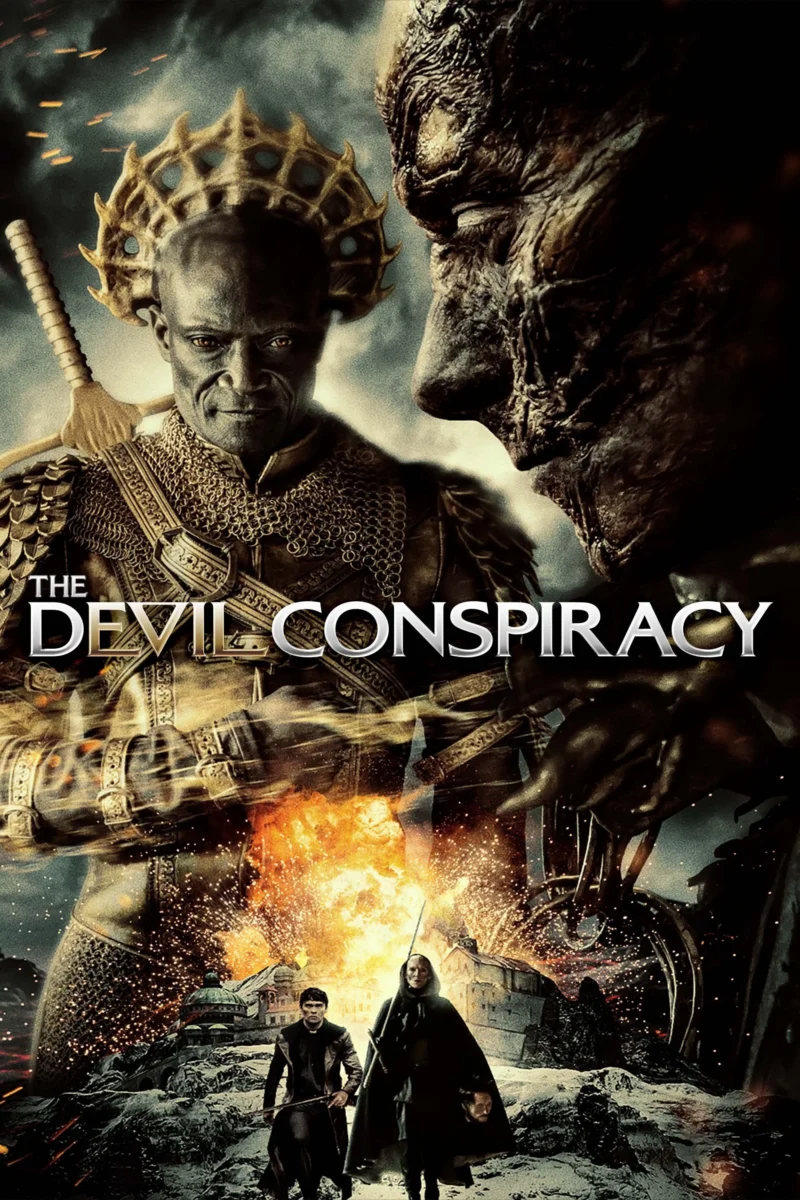
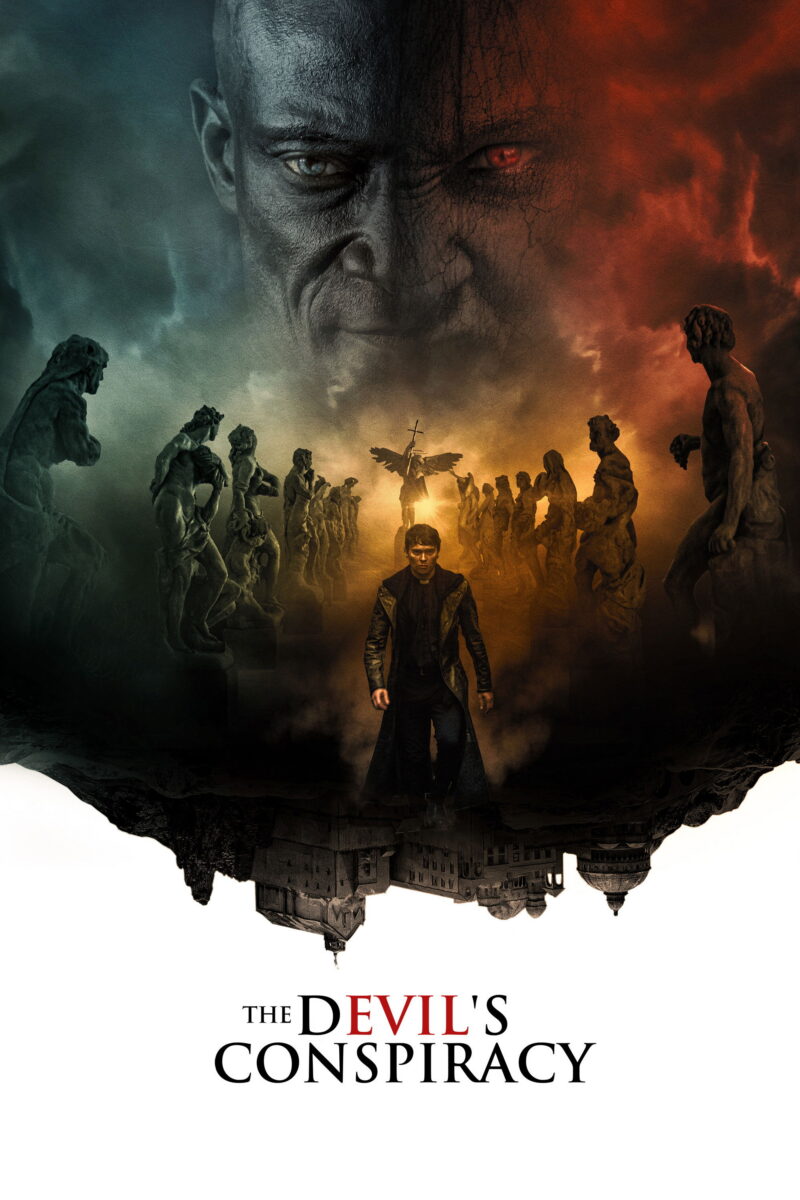
The Devil Conspiracy is the sort of film that begins with the War in Heaven, Lucifer being hurled into Hell and the Archangel Michael personally making sure he stays there, then treats all of that as the warm-up. There is something quite admirable about a film arriving with this much theological furniture already unpacked. Heaven, Hell, Satan, angels, ancient relics, cloning technology and a secret organisation are all heading for the same room, and nobody involved seems particularly worried that it might get crowded.
Going in, I expected something much closer to a theological mystery. The ingredients certainly point that way. We have the Shroud of Turin, religious institutions, clandestine groups, ancient mythology and enough solemn corridors to suggest somebody resembling Robert Langdon might appear carrying a notebook. That flavour is present, particularly early on, but The Devil Conspiracy has considerably more interest in becoming an action-horror film than sitting around deciphering symbols on church floors.
The setup works because it starts with material most of us already recognise in some form. Lucifer rebels against Heaven, Michael defeats him and the fallen angel ends up imprisoned in Hell. The film does not need twenty minutes of mythology lessons before getting on with things. It can use that familiar battle as the foundation and then start building its considerably stranger conspiracy on top. In the present day, a Satanic organisation steals the Shroud of Turin, intending to use the DNA of Christ as part of a plan to create a body capable of hosting Lucifer. Religious relics and biotech laboratories are not obvious neighbours, but The Devil Conspiracy moves them in together anyway. That mixture is probably where the film will either win people over or lose them. Anyone hoping for a restrained religious thriller may wonder why their theological mystery has suddenly developed such an enthusiasm for guns, demonic creatures and angelic warfare. I rather enjoyed the escalation. The film keeps enough of the secret-society atmosphere to maintain that conspiracy flavour, but it is eventually much happier getting Michael involved and turning the whole thing into a supernatural battle between very literal forces of good and evil.
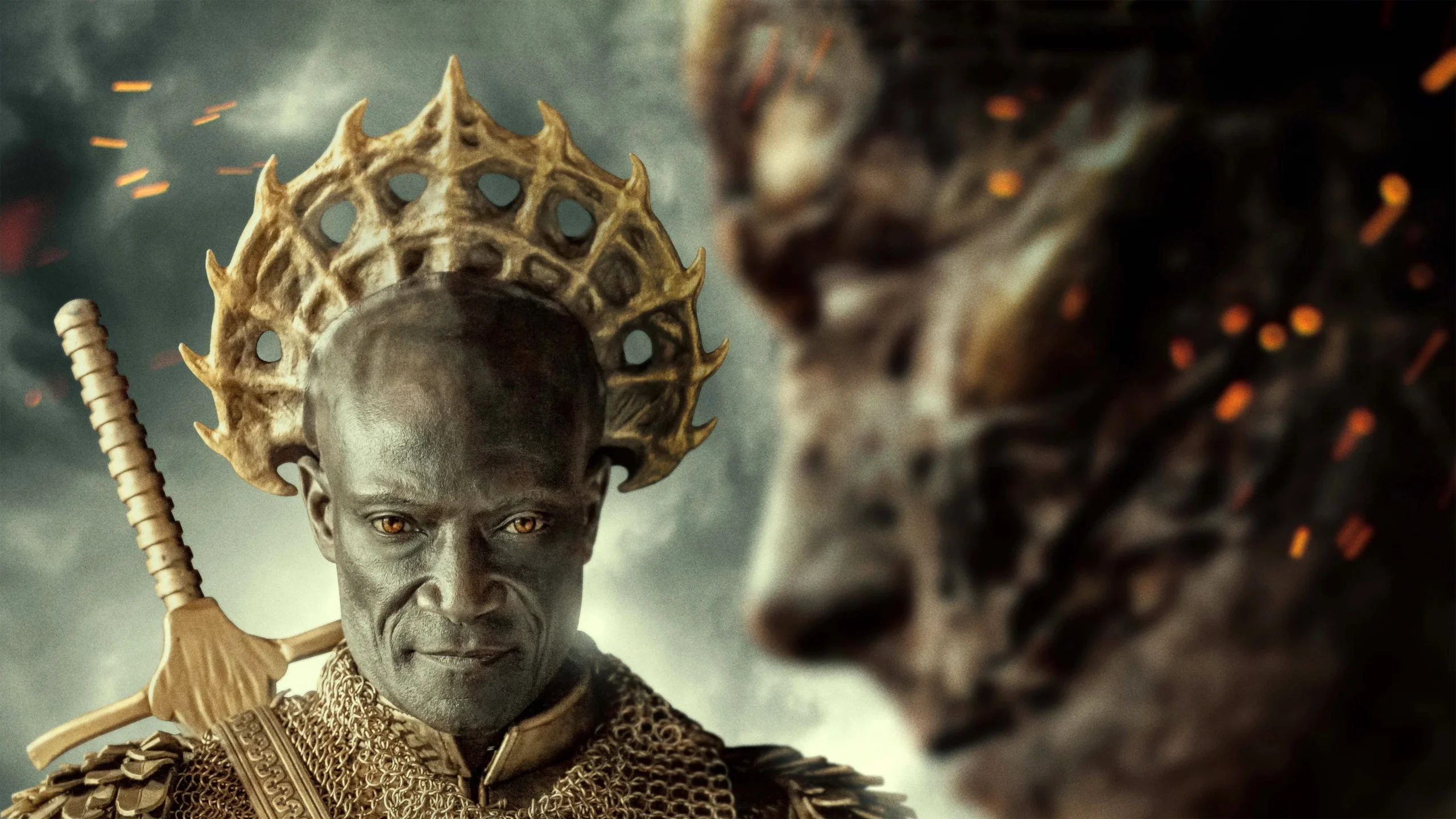
The cast is a little uneven, although there are some choices that work extremely well. James Faulkner is one of them. As Cardinal Vincini he brings exactly the sort of authority this material needs, with something distinctly Edward Woodward-ish about the way he occupies the role. He does not appear to be standing outside the story apologising for it. When the plot starts talking about Lucifer, sacred artefacts and the impending consequences for humanity, Faulkner looks perfectly comfortable being the person explaining why everyone should probably be concerned. Peter Mensah is another excellent piece of casting as Michael. His appearances are relatively limited, so there is no point pretending the entire film belongs to him, but Mensah has the physical presence necessary for the character. When Michael does appear, you believe this is somebody who could have personally put Lucifer in the basement of creation and expected him to stay there. Mensah already carries himself with a natural sense of stature, and the film makes good use of it without needing to spend half its running time insisting that Michael is important.
Elsewhere there are likeable characters and solid performances without everybody demanding their own paragraph and commemorative plaque. Alice Orr-Ewing has the difficult job of providing a human route through increasingly enormous supernatural events as Laura, while Joe Anderson gets the rather less subtle assignment of being Lucifer. Once the story really starts throwing its ideas around, simple human reactions become useful ballast. Someone has to look appropriately alarmed while ancient evil, cloning science and the possible return of Satan are being discussed in the same conversation.
The other pleasant surprise is how well the film generally manages to put its ambitions on screen. The Devil Conspiracy does not feel like a huge Hollywood production, yet it repeatedly attempts things that could have exposed its limitations very quickly. Hell, angels, demonic forces, large action sequences and the film’s religious imagery all have to coexist without making the whole enterprise collapse into something that looks dramatically smaller than the story being told. There are certainly moments where the scale stretches what is available, but much of it holds together better than expected.
That ambition also gives the film some personality. It would have been much safer to make a conventional possession movie or keep everything confined to a religious conspiracy thriller. Instead, Nathan Frankowski and writer Ed Alan keep pushing outward. By the time the film is properly underway, the original stolen-relic mystery has become merely one part of a story involving Heaven, Hell, genetic engineering and an increasingly physical war against Lucifer. Sensible behaviour has left the building, but it remembered to lock the door behind it. The Devil Conspiracy was never going to work for everyone. Its mythology is delivered with a straight face, the genres are thrown together with considerable enthusiasm and some viewers will undoubtedly find the whole thing ridiculous rather than entertaining. I landed firmly on the entertaining side. There are enough familiar religious-conspiracy ingredients to scratch that Robert Langdon itch, but the film then heads somewhere much louder and stranger with them.
There is also enough left in the world for another film. The ending does not feel as though the filmmakers considered this mythology completely exhausted, and it is easy to imagine Michael, Lucifer and the wider supernatural conflict continuing beyond a single story. Given that the theatrical release made less than $1 million worldwide, seeing that continuation now feels unlikely. That is slightly unfortunate, because for all its rough edges The Devil Conspiracy has ideas under the bonnet and seems genuinely interested in building something bigger.
A forgotten masterpiece it is not, this sits comfortably in the much more useful category of films that are simply enjoyable despite being imperfect. The Devil Conspiracy has a good premise, a couple of particularly smart casting choices, respectable production values and enough theological lunacy to separate it from the endless procession of interchangeable supernatural horror films. I watched a secret Satanic biotech organisation attempt to clone Christ so Lucifer could escape Hell, and I was entertained. Sometimes a film has already done its job.